
The silence woven through mineral dust
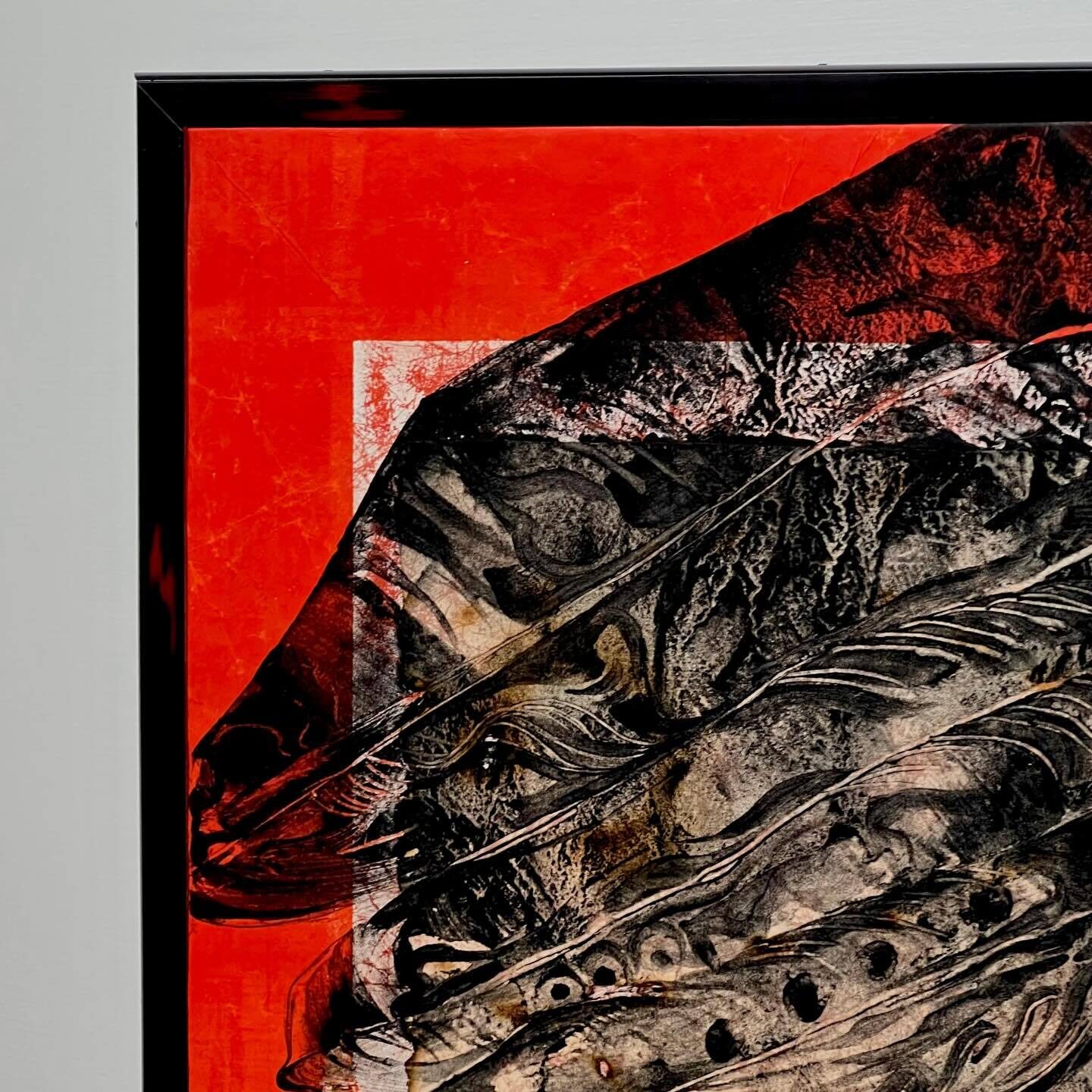
The world he carries
 From Li Dan's personal archive
The emotional architecture of silence
The geography of his silence
The temporal weight of his process
Temporal weight becomes the backbone of the work. It gives the surface its gravity, its seriousness, its quiet authority. It gives the painting its sense of suspended time, its contemplative atmosphere, its emotional depth. It gives the viewer a sense of entering a climate rather than an image, a world rather than a composition, a silence rather than a scene. Time becomes the force that shapes the surface, the breath that carries the dust, the pressure that shapes the silence. In this temporal architecture, the painter creates a world where time is not measured but felt, where silence is not heard but inhabited, where dust becomes a carrier of memory.
 From Li Dan's personal archive
The cultural breath of his tradition
The psychology of his stillness
The atmospheric architecture of his surface
Atmosphere becomes a form of emotional architecture. It shapes the painter’s silence, his slowness, his sensitivity, his restraint. It shapes the way he approaches materials, the way he approaches time, the way he approaches the fragile boundary between the visible and the unspoken. His paintings feel like climates because they are built from climates — the atmospheric climate of someone who has learned to live inside silence, who has learned to trust the patience of dust, who has learned to let time settle before touching the surface. This atmospheric climate becomes the foundation of his emotional world, the force that shapes his silence, the breath that carries his dust.
 From Li Dan's personal archive