
Walter Ciandrini: The Cartographer of Emotional Reality
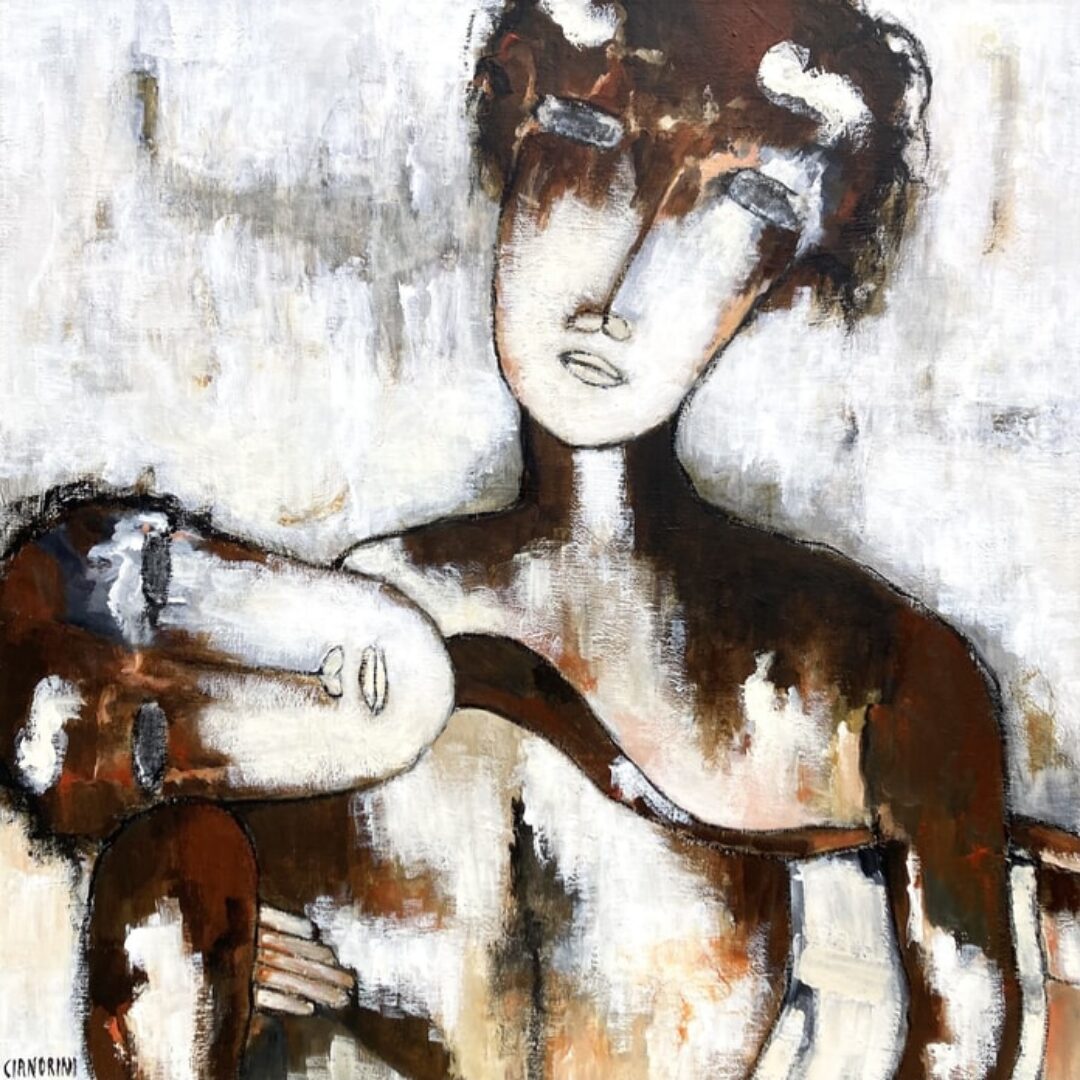 Walter Ciandrini artwork
There are artists who paint what they see, and there are artists who paint what they feel. Walter Ciandrini belongs entirely to the second kind - the rare kind - the kind who turns the human figure into a vessel of inner climate, who treats the face not as a likeness but as a landscape. Even without ever standing in front of his canvases, even without the physical weight of pigment and texture, his work reaches you. It reaches through tone, through silence, through the strange intimacy of figures that seem to exist halfway between presence and memory. His art is not about the world outside; it is about the world inside. And that world is where this essay begins.
The quiet flight of Alain Talbot
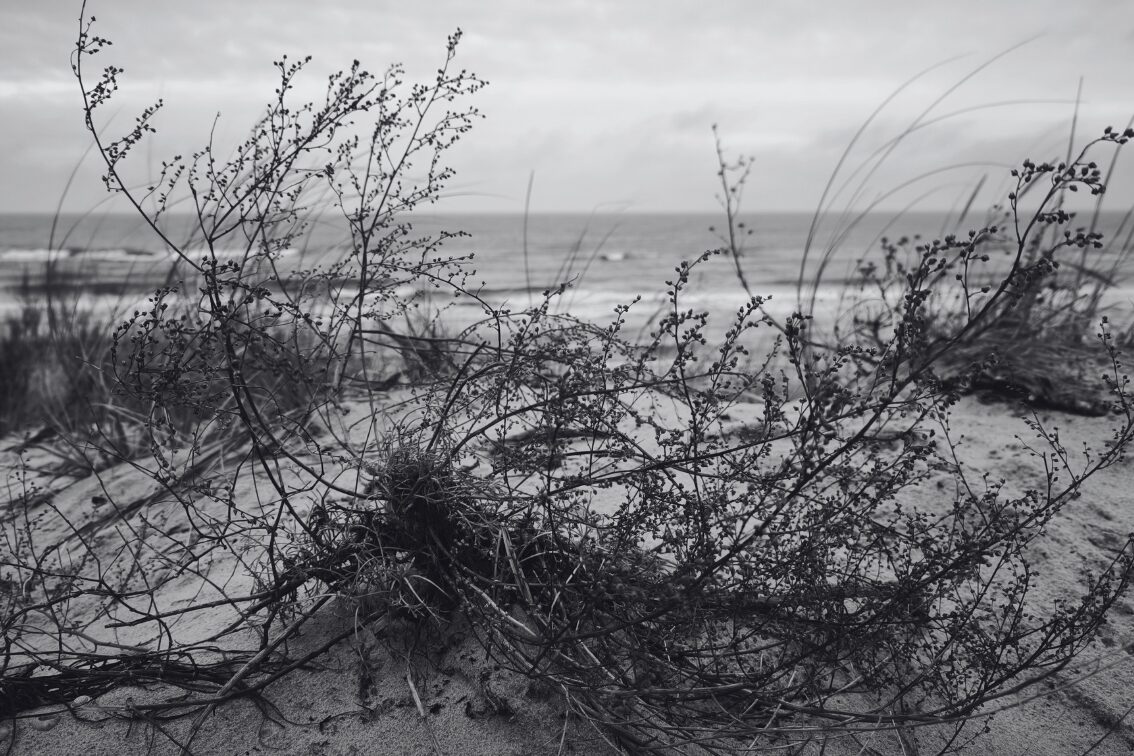 Alain Talbot artwork
When I first encountered Alain Talbot’s work, I didn’t try to analyze it. I didn’t look for influences, techniques, or references. I let the pieces speak in their own way, even if only through photographs and the quiet impressions they leave behind. His sculptures have a strange calmness to them, a kind of inner steadiness that doesn’t ask for attention but somehow holds it. The birds he creates - those long‑necked, thin‑legged creatures with bodies shaped from wood, metal, or stone - feel less like objects and more like beings. They carry a softness that is hard to explain. You sense that they were made by someone who understands fragility, someone who knows how easily things break and how carefully they must be held.
The Pulse Beneath the Line
 Jean Gauthier artwork
In the dispersed, often chaotic landscape of contemporary visual culture — where images accelerate, dissolve, and reappear before the eye has time to register their emotional temperature - Jean Gauthier’s work arrives with a different rhythm, almost anachronistic in its sincerity. His drawings and paintings do not seek the spectacle of immediacy; they seek the endurance of attention. They emerge from a place where the hand still matters, where the trembling contour still carries the weight of a human decision, where colour is not a decorative flourish but a pulse, a signal, a quiet insistence that something is happening beneath the surface. In a world saturated with noise, Gauthier’s art is a refusal - a refusal to rush, a refusal to flatten, a refusal to abandon the intimate scale of lived experience. What he offers instead is a slow, deliberate unfolding of presence: faces that seem to rise from memory, animals that sit like guardians of interior states, objects that vibrate with the residue of human touch. His universe is not built on grand narratives but on the fragile architecture of moments, gestures, and emotional microclimates. And it is precisely this minimalistic, unpolished, profoundly human approach that makes his work feel not small, but necessary.