
The weight that lives beneath the skin
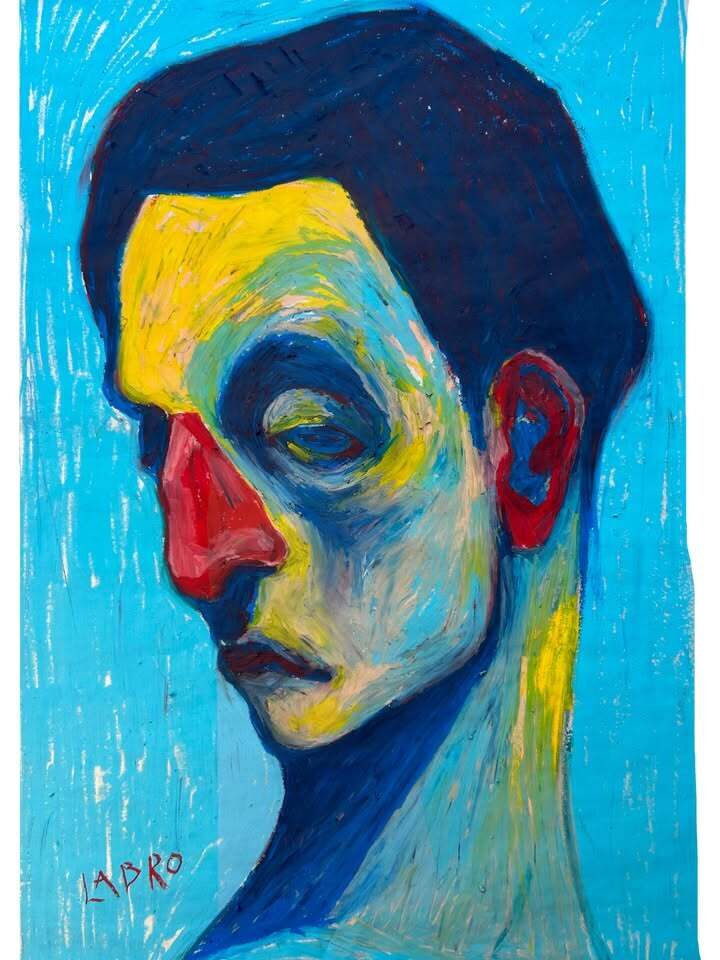
The first images that surfaced felt unfiltered, almost accidental, as if the painter had allowed fragments of his working life to slip into public view without caring how they might be interpreted. Studio corners, unfinished surfaces, and the sudden appearance of a hand mid‑gesture created a sense of proximity that is impossible to manufacture. The paintings did not hide their construction; they revealed the friction between impulse and resistance, between the desire to shape and the stubbornness of material. The faces seemed to emerge from that friction, formed through negotiation rather than design, carrying the marks of decisions made quickly and corrected slowly. They felt lived‑in, not invented, shaped by the accumulation of small tensions that settle into the body over time.
 © LABRO
The shape of what cannot be hidden
Every figure carries a muted dignity, even when its features stretch or compress under the weight of lived experience. They stand upright, not in defiance but in acceptance. The painter seems to understand that identity is not a fixed shape but a structure that changes under pressure. The paintings capture that change without romanticizing it. They show the human figure as something fragile but resilient, something that bends without breaking, something that carries its history in the way it is formed.
 © LABRO
What remains most striking is the way these faces acknowledge the instability of being human without turning it into spectacle. They do not pretend that identity is stable or that the body is immune to pressure. They show the figure as something that changes, something that adapts, something that carries its history in its shape. The distortion becomes a record of that history, a way of marking the passage of time and the weight of experience. The paintings do not offer comfort; they offer truth.
 © LABRO